

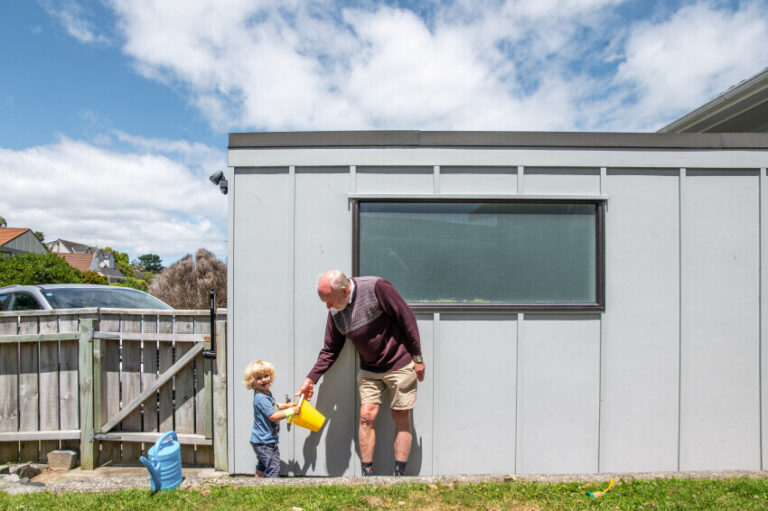
For some people, changing how they live may be the right choice for the future. This could mean downsizing, moving to a different rental property, sharing a home with others, moving closer to family and services, purchasing a new home, or exploring retirement village living.
Moving at any stage of life can bring challenges. In later in life, there may also be health, mobility, or energy considerations. Taking time to think things through and planning ahead can help you make decisions that feel right for you.
Here are some ideas about what you might want to think about.
Start with what matters to you
Location
If you are looking at a new area, it can be helpful to spend some time there and see how it feels. You might want to think about how close it is to shops, transport, health services, and activities you enjoy. It can also be useful to consider how easy it would be to get around if your mobility changes over time.
The house
A new home doesn’t need to be perfect, but it should work for your day-to-day life. Some people look for homes that are easy to move around in, with key spaces on one level or with fewer barriers such as steps. Others think about how much upkeep the house and garden may need, and whether that will feel manageable in the future.
People choose to move to a smaller home for many reasons, to reduce costs, minimise maintenance, live in a warmer, healthier home, or find a property that best suits their needs. This may involve buying a smaller home or moving to a more suitable rental property. When downsizing considering how much space you’ll realistically use and maintain, as well as making sure there’s room for things like storage, visitors, and time with family/whānau.
Whether you’re renting or own your home, it can help to think about how well a property will support your day-to-day life now and in the future. If you’re renting, consider factors such as the security of your tenancy, whether the property meets your accessibility needs, how responsive the landlord is to maintenance requests, and whether modifications can be made if your needs change.
Support
Support looks different for everyone. You might want to think about who is nearby, what help friends or whānau may be able to offer, and what services are available in the area. Knowing what support is around you can make a big difference to how settled you feel.
Financial wellbeing
Moving house can affect your finances both in the short and long term. It can help to think about ongoing costs, as well as leaving some flexibility for future or unexpected needs. Taking time to understand your financial position can support more confident decision-making.
If you’re renting, you may want to consider future rent increases, the availability of suitable rental properties in your area, and what options you would have if your housing needs change. Understanding your housing costs and tenancy rights can help you plan ahead with more confidence.
Designing for now and the future
A helpful way to think about staying in one place for a good length of time is through universal design, making your home usable for people of all ages and abilities.
Universal design looks at how a home can adapt to changing needs over time.
This might include:
- Step-free entrances and shower units
- Wider doorways and hallways
- Lever-style handles instead of knobs
- Easy-to-reach switches and power points
- Good lighting throughout the home
These features are not just for later in life – they make everyday living easier for everyone, and many can be added to an existing home without major renovations. You can find information on what aspects of your home may need to be adapted at Smarter Homes
If you rent your home, some changes may require your landlord’s agreement. When looking for a rental property, it can be helpful to consider accessibility features that already exist and how well the property may support your needs over time.
Moving in with family
You might be thinking about moving in with family as a way to stay connected and supported. This could mean joining them in their current home, finding a new place together, or creating a separate space such as an extension or tiny home/flat on their property.
For many people, living close to children and grandchildren brings comfort, companionship, and more time together. It can also offer reassurance for everyone, knowing support is close at hand if it’s needed.
Writing down expectations at the start is important
It’s important to talk openly about expectations and to make clear, formal arrangements before making any changes. This helps protect relationships and prevents misunderstandings later on. Seeking independent legal and financial advice can also give everyone confidence that the arrangement is fair and sustainable.
Renting later in life
Renting can provide flexibility and may suit people who do not want the responsibilities and costs of home ownership. Many older people rent by choice, while others rent because they have sold their home or have always rented.
When considering a rental property, you may want to think about:
- How secure and stable the tenancy is
- Whether the property is warm, dry, and easy to maintain
- Access to public transport, shops, health services, and social activities
- Whether the home meets your mobility and accessibility needs
- Rent affordability now and in the future
- Whether modifications could be made if your needs change
It can also be helpful to understand your rights and responsibilities as a tenant and know where to get advice if you need support.
Moving to a retirement village
A retirement village is a community designed to support the needs and lifestyles of older people. Villages often offer a range of living options, including units, villas, apartments, or serviced apartments. This means you can choose a level of independence that suits you, with the option to access extra support such as cleaning or meal services if needed.
Many retirement villages also provide shared facilities like recreation areas, libraries, gyms, games rooms, and communal dining spaces. These can create opportunities to stay active and connect with others in the community.
If you’re thinking about moving into a retirement village, it’s a good idea to visit more than once. Take the time to explore the environment, attend activities if possible, and talk with residents to get a feel for daily life.
Benefits of retirement villages
For some people, retirement villages offer a sense of community that can be harder to find elsewhere. Living alongside others with similar interests, and having access to shared facilities, can make it easier to stay socially connected and engaged.
At the same time, you can enjoy the privacy and independence of your own home within the village. Many villages also offer 24-hour assistance through call systems or phone support, which can provide reassurance if you need help or in an emergency.
Maintenance is usually taken care of by the village, which means repairs and upkeep are organised for you. Depending on your agreement, this may also include garden care. Many villages also have added security features, such as gated access or monitored entry, helping you feel safe and supported.
It’s important to check what is included in your agreement, including maintenance, services, and security, so you know what to expect.
Getting advice before moving in
Choosing to move into a retirement village is a significant decision. Before signing anything, it’s important to fully understand the legal and financial commitments involved.
A lawyer can help you review the Occupation Right Agreement (ORA) and explain what it means for you. This ensures you are clear about your rights, responsibilities, and what is covered.
When visiting villages, take the time to meet with the Village Manager and ask questions about everyday life. You might want to ask about maintenance, cleaning, emergency systems, and what happens if your care needs change over time. Asking questions will help you feel confident in your decision.
In addition to ongoing weekly or monthly fees, there are usually entry and exit costs. Speaking with a lawyer or financial advisor can help you understand the full picture and decide what is right for you.
Rights, regulations, and support
All retirement villages must meet the Retirement Villages Code of Practice 2008. This sets out minimum standards covering areas such as:
- Staffing
- Safety and security
- Fire protection and emergency management
- Insurance
- Maintenance and upgrades
- Resident meetings and communication
- Complaints processes
- Agreement changes and termination