
Retirement is not the same for everyone. For many people, it is a gradual transition rather than a single moment in time.
Planning for retirement involves more than finances. It is also about thinking ahead to how day-to-day life may look, including where to live, how time may be spent, and how to stay connected to others. Social relationships, purpose, and community involvement play an important role in overall wellbeing.
Building financial confidence over time
Starting to plan early can make a positive difference. Setting aside savings, even in small amounts, and reviewing financial plans regularly can help build confidence for the future.
New Zealand Superannuation provides a foundation of income, but many people find it is not enough on its own to support their preferred lifestyle. Additional support often comes from KiwiSaver, personal savings, or other assets.
KiwiSaver can be a valuable way to build retirement savings over time. Regular contributions, along with employer and government support, can help grow funds for later life. Reviewing KiwiSaver settings from time to time can ensure they continue to meet changing needs.
Free, trusted tools such as those provided by Sorted can also support informed decision-making, including information on the current NZ Superannuation rates.
It is also important to allow for unexpected costs, such as replacing household appliances, car repairs, or meeting urgent expenses. Setting aside a small amount where possible can help reduce stress when these situations arise.
Reducing financial pressure
Entering retirement with little or no debt can ease day-to-day living costs. Paying down mortgages or high-interest debt before retiring may help create more flexibility and peace of mind.
There is no need to plan retirement alone. Trusted organisations, community groups, and financial advisers can provide guidance and support. Accessing reliable information can help people feel more prepared and confident about the future.
A lifestyle that feels right
Having a plan for retirement is not only about ensuring that essential costs are covered. It is also about thinking ahead to the kind of lifestyle that feels satisfying and how available resources can support this over time.
For some people, retirement income may come from a mix of savings, KiwiSaver, and investments. For others, New Zealand Superannuation may be the main or only source of income. In these situations, careful planning and budgeting can help make day-to-day living more manageable, while still allowing space for enjoyment and connection.
Even with limited financial resources, it can be helpful to plan ahead for how money will be used across different stages of retirement. This might include prioritising what matters most, such as staying connected with others, taking part in community activities, maintaining independence at home, and ensuring there are sufficient funds to support regular, nutritious food. Good nutrition plays an important role in maintaining health, energy, and overall wellbeing.
Planning can also include setting aside funds for important social occasions, such as birthdays, celebrations, and gifts for whānau and friends. These moments can be an important way to stay connected and maintain a sense of belonging, and it can be helpful to include them as part of regular budgeting rather than seeing them as extras.
Accessing community services, discounts, and support that are available to older people in New Zealand can also make a difference. Trusted tools such as budgeting planners from Sorted, and guidance from community organisations, can help people make informed choices and feel more confident about managing their finances.
Additional support is available through the SuperGold Card, which provides access to a range of discounts and concessions for people aged 65 and over. These include savings on everyday goods and services, as well as free or subsidised public transport at certain times in many areas. Making use of these discounts can help reduce living costs and support continued participation in community life.
Considering housing and living arrangements
Housing is often a key part of retirement planning. Over time, it may become helpful to think about whether a current home continues to meet changing needs. Options such as downsizing, moving closer to whānau, or reducing maintenance can improve both comfort and financial security.
Sorted has good information on housing options in Aotearoa New Zealand here.
Planning ahead for health and support
Health needs can change as people age. Planning ahead can help ensure that the right support is available when it is needed. This may include setting aside funds, understanding available health services, and having conversations with family or trusted people.
An important part of future planning is setting up an Enduring Power of Attorney (EPA). This allows a trusted person to make decisions on someone’s behalf if they are no longer able to do so themselves. There are two types of EPA in New Zealand—one for property (covering finances and assets) and one for personal care and welfare (covering health and daily living decisions).
Putting an EPA in place early can help ensure that personal wishes are respected and reduce stress for family members later on. It also provides clarity about who can act and what decisions can be made, should the need arise.
Seeking legal advice when setting up an EPA can help ensure it reflects individual preferences and circumstances. Businesses like Perpetual Guardian and Public Trust provide EPA services, as do most legal firms.
Life circumstances can change, and retirement plans may need to change along the way. Regularly reviewing financial and lifestyle plans can help ensure they continue to reflect what matters most.
Valuing connected and time
Staying socially connected is an important part of wellbeing in later life. Regular contact with friends, whānau, neighbours, and community groups can support both mental and emotional health. Connection can come in many forms, including shared activities, volunteering, cultural groups, or simply spending time together.
Retirement can also bring more flexibility in how time is spent. This can be an opportunity to focus on activities that are meaningful, enjoyable, and sustaining. At the same time, it can be helpful to recognise personal limits and maintain a balance between supporting others and preserving time for rest and personal interests.
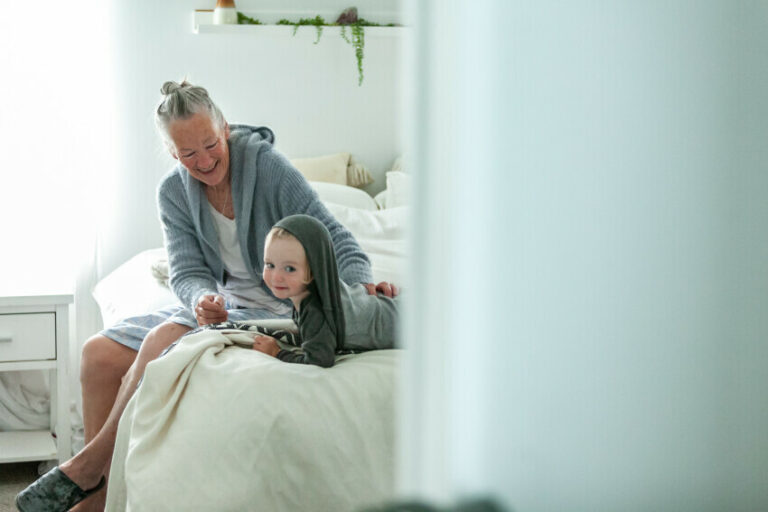
For example, some people may find themselves taking on volunteer roles or regular caregiving roles, such as looking after grandchildren. While this can be rewarding, it is important that these arrangements feel positive and manageable. Setting clear expectations and boundaries can help ensure that time and energy are respected, and that personal wellbeing remains a priority.
Having open conversations with family about availability, preferences, and limits can support healthy relationships and ensure that commitments feel comfortable and chosen.