

Why falls prevention matters
You might not think about falls until one happens. But they’re more common than many people realise.
In New Zealand, about 1 in 3 people over 65 will have a fall each year.
There are often several reasons for this, including:
- Weaker leg muscles and/or poor balance
- Hazards in our surroundings
- Vision problems
- Nutritional deficiencies
- Side effects from medications
Falls can lead to serious injury, and in some cases, can be life-threatening.
The good news is there are practical steps you can take. Building strength and improving balance can help you stay steady, confident, and independent.
How can you help prevent falls?
There are several ways you can reduce your risk of falling. The sections below cover practical steps you can take. Select each one to learn more.
You might notice changes in your strength or balance over time. Staying active can make a real difference.
Strength and balance exercises are one of the most effective ways to reduce your risk of falling.
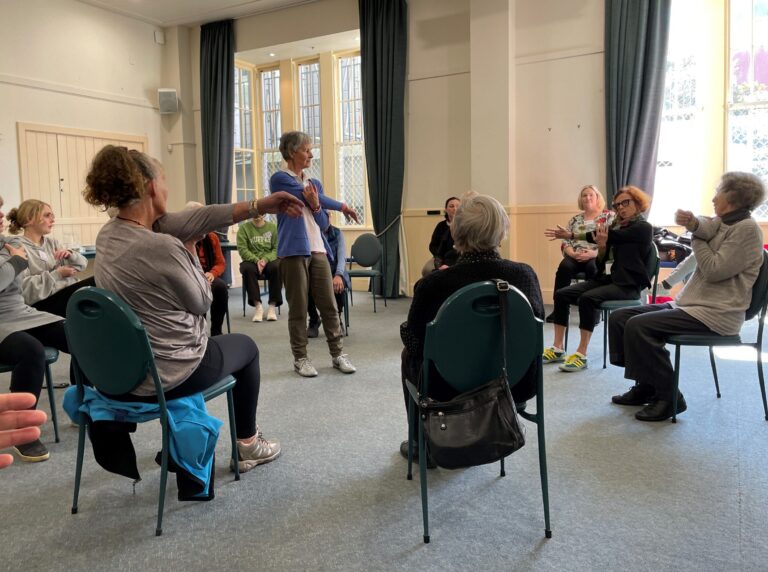
Many Age Concern groups offer exercise classes for people over 65. These may include:
- Non-impact aerobics
- Aqua exercise
- Kapa Haka
- Steady As You Go® peer-led classes
Across Aotearoa New Zealand, more than 7,000 people take part in Steady As You Go® classes. These are affordable, social, and designed to help you build strength and improve balance.
If you’d like to join a class, contact your local Age Concern. It’s a great way to stay active and connected.
Your home should feel safe and easy to move around in.
Small changes can reduce your risk of falling:
- Limit the use of rugs, especially those with frayed edges or that slide when you walk on them
- Use non-slip mats in the shower or bath
- Install bathroom and hallway aids such as grab rails, and/or review what other mobility aids might improve your balance.
- Keep a telephone within reach of your bed or chair
- Ensure electrical cords do not cross walkways
- Maintain good lighting throughout your home and particularly in stairways
- Install sensor nightlights in bedroom and hallways
If moving around feels less steady, a mobility aid can help you feel safer and more confident.
Mobility aids are designed to reduce strain on your hips, knees, and ankles, improve posture, and lower the risk of falls. Most importantly, they can help you stay active and independent for longer.
There are a range of mobility aids available to suit different needs and abilities. Choosing the right mobility aid depends on your individual needs. If you think a mobility aid could help, speak with your doctor or physiotherapist for personalised advice and assessment.
Bathroom aids
The bathroom can be one of the most common places for falls, especially for people with mobility or balance challenges. Bathroom aids such as grab rails, shower seats, non-slip flooring, and commodes can make this space safer and easier to use, helping you maintain dignity and independence at home.
Walking sticks and canes
Walking sticks and canes are ideal for people who need light support, particularly if one leg is weaker than the other or if balance is occasionally unsteady. They can support up to 25% of a person’s body weight and are well suited to those who can still walk independently but would benefit from extra stability when moving or standing up.
Walking frames
For additional stability, a walking frame provides a stronger level of support and can take up to 50% of a person’s body weight. Frames are available with stoppers or wheels, depending on how much assistance is needed, and many wheeled frames include brakes for extra control.
Walking frames are a good option for people with significant balance concerns who are still able to bear their own weight. As with all mobility aids, correct height adjustment is essential.
Wheelchairs
For people who are no longer able to walk, feel very unsteady, or have difficulty standing up from a chair, a wheelchair may offer the safest and most practical solution.
Manual wheelchairs allow users with sufficient upper-body strength to move independently, while electric wheelchairs provide powered assistance if pushing is difficult or not possible.
Getting regular eye examinations is important at any stage of life. As we get older, changes in eyesight can affect confidence and independence, and can increase the risk of falls. Over age 75 about 25-30% of people show signs of retina deterioration caused by age-related macular generation, and other conditions like glaucoma or cataracts.
You might find it harder to eat well at times. But good nutrition plays a big role in your strength and balance.
A healthy diet, alongside regular activity, can delay, or even reverse, many of the challenges associated with ageing, helping older New Zealanders to continue living independently and enjoy a good quality of life.
It can be hard to get all the nutrients you need when food intake is low or healthy foods are expensive.
Try to:
- Eat at least three meals and snacks between meals
- Keep an eye on changes in weight
- Include enough high quality protein, calcium, vitamin D, vitamin B12, and folate.
If eating well feels difficult, support is available through your GP.
Some medicines can affect your balance or energy levels.
You might notice:
- Low blood pressure and dizziness
- Drowsiness
- Muscle weakness and slowed reactions
- Blurred vision.
These effects are more common when starting new medication, changing doses, or when taking several medicines at the same time.
If balance feels unsteady, energy levels drop, or falls become more frequent, it’s important to talk with a GP, pharmacist, or other health professional. A regular medication review can help ensure medicines are still appropriate, side effects are minimised, and treatments support, rather than limit, ongoing mobility and quality of life.
The fall cycle
If you’ve had a fall before, you may feel less confident moving around. That’s completely understandable.
But avoiding activity can make things harder over time:
• Less activity leads to reduced muscle strength and poorer balance
• Reduced strength and balance increase the risk of future falls
• Increased falls further reduce confidence and activity
Staying active is one of the best ways to break this cycle.
Regular movement helps build muscle strength, improve balance and coordination, and supports healthy blood pressure, blood sugar levels, and weight. Even small movements help build strength and improve balance.
Group classes can offer a safe, supportive way to stay active. Contact your local community group, including Age Concern to learn what’s available near you.
Losing confidence after a fall is common. The sections below offer practical ways to stay active and rebuild confidence.
Age Concern Hauraki Coromandel’s exercise videos for people living with Parkinson’s disease.
Tips to help keep your balance
If you are at higher risk of falling, there are practical steps you can take to reduce your risk:
- Keep a call bell or support button within easy reach
- Take your time when standing up
- Ask for help if you feel dizzy, weak, or light-headed
- Avoid wet or slippery floors
- Wear well-fitting, supportive shoes
- Use handrails in hallways and bathrooms
- Use walking aids correctly fitted and consistently
- Use a sensor night light or easy-to-reach light for nighttime movement
- Avoid using movable objects for support (tray tables, walking frames with wheels, etc)
What to do after a fall
Even with prevention strategies, falls can still happen. If you fall:
• Stay calm and take a moment to assess your situation before moving
If you think you can get up:
- Bend your knees and roll onto your side
- Move onto all fours
- If inside a house, crawl to a sturdy chair and use it to help yourself into a seated position
- Rest as needed at each step
If you cannot get up:
- Call out for help if possible
- If inside, try to roll or crawl toward a phone
- Consider using a personal medical alarm, especially if you are at ongoing risk of falls
After any fall, it is important to see your doctor to check for injuries and to assess strength and balance so future falls can be prevented.
Building connections close to home
You might not think of connection as part of falls prevention, but it matters.
Staying in touch with neighbours, friends, or exercise groups can help you feel supported and safer.
This could be:
- A chat with neighbours as you walk down your street
- Swapping phone numbers to support each other
- Messaging through online platforms like Neighbourly or neighbourhood WhatsApp groups
- Being part of a wider community is important.
Many areas also have Neighbourhood Support Groups to connect people nearby.
You don’t have to do this on your own. Peer-led Steady As You Go® classes and other organised exercise classes keep contact lists, so instructors can check in and people stay in touch, if they choose.