

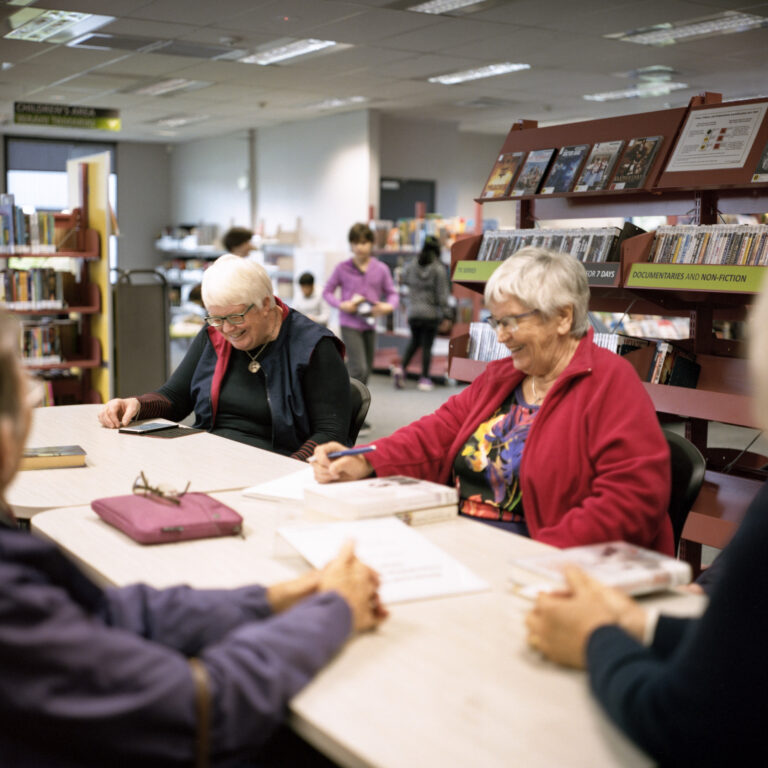
Feeling connected to others supports both our physical and emotional wellbeing. It helps us feel that we belong and improves our overall quality of life.
As we age, our social connections can change. Life events, health challenges, or shifts in routine can make it harder to stay connected. If you, or someone you care about, is feeling lonely, it’s important to do something about it. There are ways to make things better.
Age Concerns offer events and activities during the week. Contact your local Age Concern to talk about how they can support you.
Small steps that can help
If someone you know feels lonely, you can help by:
- Listening with empathy and curiosity
- Gently challenging any negative statements that they make about themselves (prolonged loneliness can have an impact on self-confidence)
- Letting them know loneliness can happen to anyone when circumstances change
- Helping them to find information if needed or helping with technology
- Encouraging them to take small steps towards building connections
- Going along with them to an activity if they lack confidence to go alone
If you’re experiencing loneliness yourself, small gentle steps can make a difference.
Start with understanding your situation
Think about what might be contributing to the loneliness as this can give clues about how to change the situation.
Be kind and patient
Loneliness can affect confidence and how people see themselves or others. Try to notice unhelpful thoughts you are having. If you take a step back, it may allow you to replace those thoughts with more balanced reflections.
Support wellbeing
Good sleep, healthy food, fresh air, and gentle activity can improve mood and energy, making connection feel more manageable.
Create a comfortable environment
A cluttered or unclean space can affect mood and confidence. Small routines, like making your bed or tidying up each day, can help create a more comfortable environment and make it easier to invite others into your home.
Learn to enjoy time alone
Learning to enjoy time alone can help you feel more confident and comfortable. When you feel better in yourself it can make it easier to connect with others. It can also make it less likely that you will settle for poor quality interactions. Activities such as reading, creative hobbies, music, or going out for a walk, a movie, or coffee can be enjoyable on your own. The key is to notice what feels good and do more of it.
Loneliness is different from being alone
Most people feel lonely at times in their lives. It can happen suddenly or develop over time.
Loneliness occurs when:
- We don’t have enough meaningful relationships, or
- Our relationships don’t meet our emotional needs
Loneliness is different from being alone.
You can be alone without feeling lonely, and you can feel lonely even when surrounded by people.
Later in life, changes such as bereavement, retirement, reduced mobility, or hearing loss can make it more difficult to stay connected, even for people who have always been social
If you’re concerned about your own feelings, or about someone else, it’s important to know that loneliness is common, and it can be addressed. Contact your local Age Concern.
When extra support is needed
Sometimes it can feel too hard to take the first step alone, and that’s okay.
If you or someone you know is finding it difficult to stay connected, or if there are barriers such as transport, mobility, or confidence, help is available. Age Concern offers:
- Visiting services
- Social groups and activities
- Information about local opportunities and support
Reach out or talk with the person you care about to ask if they want you to contact us on their behalf.
Why connection matters
Being connected to others is a basic human need. Like thirst or hunger, loneliness is a signal that something isn’t right. It tells us we may need more connection and support.
Positive relationships can:
- Provide practical help and encouragement
- Improve mental and physical health
- Reduce loneliness and social isolation
- Support independence and wellbeing as we age
Loneliness and social isolation can affect health over time, but the good news is that there are things that can be done to improve things and support is available.
You can learn more about Age Concern’s Visiting Service or contact your local Age Concern to find out more about upcoming opportunities to meet new people in your community.
Building connection, step by step
Connection often starts with small, everyday moments.
Take small steps
Being in places where other people are, like a café, library or local shop, can lead to simple interactions such as a smile or a short conversation.
Give it time
Friendships develop over repeated contacts. Regular activities, groups, or shared interests can help build familiarity and trust.
Use technology where it helps
Phone calls and video chats can maintain contact with existing friends and family, especially if getting out is difficult. Technology can also help people discover local activities or reconnect with others.
If you’re supporting someone, offering to go along to something new, or helping them get started with technology, can make it feel less daunting.