

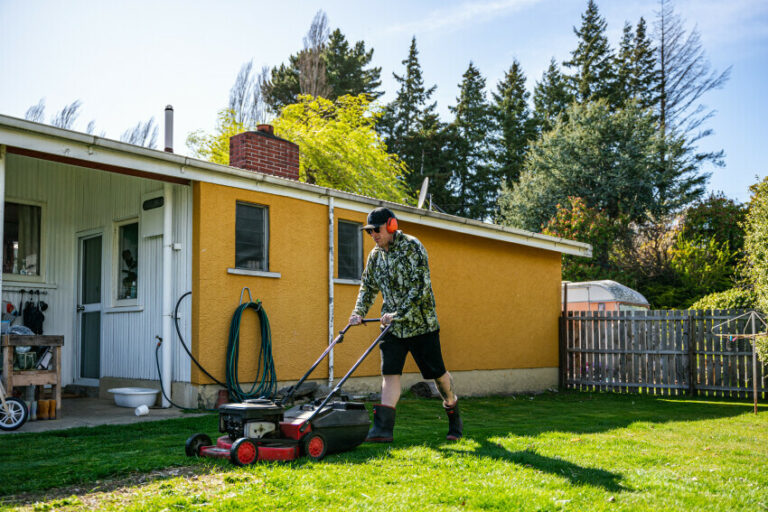
Many older people choose to stay in their own home as they age. Home is familiar, connected to memories, and often close to friends, whānau, and community. These connections can support both physical and mental wellbeing and help you continue to live the life you value.
But staying at home isn’t always as simple as it used to be. As your needs change, it may take some planning and a few practical changes to make your home work better for you.
This page looks at how you can rethink your home, so it continues to support your independence.
Start with what matters to you
You might want to think about:
- How easy is it for you to move around your home
- Whether it still suits your day-to-day routines
- What support you have nearby
- What options you have to make changes to your home, for example, whether you own your home or need permission from a landlord.
- How your needs might change in the future
Planning ahead can make it easier to stay in control of your choices and avoid stress later on.
Making your home easier to live in
Some changes are simple and can be done straight away, while others may require planning, budgeting, or if you are renting – permission from your landlord.
Some practical ideas include:
- Using non-slip mats at door entries to prevent falls due to wet paths and steps.
- Rearranging furniture to create clear walkways
- Keeping everyday items within easy reach
- Having a list of contact people that is easily accessible if you need help
- Improving lighting, especially in hallways and at night
- Installing grab rails in bathrooms and along steps
Simple changes like these can reduce the risks of falls and help you move around your home with confidence.
Thinking about maintenance and upkeep
Looking after a home can become more challenging over time. Regular maintenance is important to keep your home safe, warm, and healthy.
You might consider:
- Getting help with repairs, cleaning, or gardening
- Fixing or reporting small issues early to avoid bigger costs later
- Checking heating and insulation to keep your home warm and dry
- Maintaining working smoke alarms (your landlord may be responsible if you rent)
- Reviewing your power sources and looking for energy savings
- Understanding who is responsible for maintenance – you, a landlord, or a property manager
Some Age Concerns have details of local services and trusted tradespeople.
You’ll find some useful websites below that provide tools and support for keeping your home maintained.
Getting the right support
Staying in your home doesn’t mean doing everything on your own.
Support might include:
- Help with household tasks or personal care
- Equipment or modifications to make daily activities easier
- Community services that keep you connected and active
- Rates postponement, deferral, and rebates
- Advice on housing choices, tenancy support, or downsizing options
As your needs change, the type of support you use may change too. The key is knowing what’s available and asking for help early. To understand what services, subsidies, and assistance may be available for you, you will need to contact a Needs Assessment Service Coordination agency.
You may qualify for a free Home Fire Safety Visit from Fire and Emergency, who will help install smoke alarms and replace faulty ones.
Contact your local Age Concern to talk about your housing situation – whether you own or rent, and what support and services are available in your areas.
Find your nearest Age Concern