

Looking after your brain is important, whatever your age. Your lifestyle can shape how sharp your mind stays as you get older. A lifestyle that is healthy for your brain should begin as early as possible, but you can still benefit if you start later in life — it is never too early and never too late.
The best things for brain health
Healthy body
- Take preventive care of your hearing and eyesight.
- Have regular blood pressure, cholesterol and diabetes check ups.
- Keep a healthy weight.
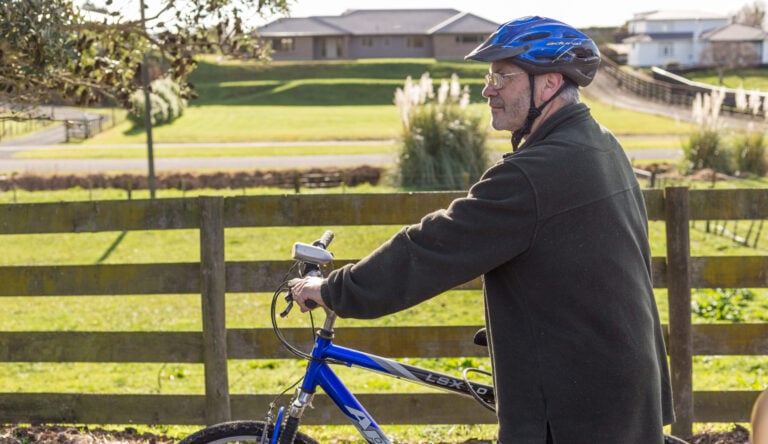
- Be physically active.
- Eat a healthy diet.
- Work towards giving up smoking, or do not start in the first place.
- Limit alcohol use.
- Avoid head injury and concussion.
Stay connected
- Strong relationships protect your brain.
- Social isolation is associated with dementia mate wareware.
Healthy mind and spirit
- Seek help if you feel depressed or anxious.
- Keep learning and do things that stimulate your brain.
- Take care of your spiritual wellbeing.
- Get 6 to 10 hours of sleep a night.
- Practice stress-reduction techniques.
More information can be found at https://info.health.nz/keeping-healthy/brain-health-for-adults
Noticing changes to memory or thinking?
If you have noticed that you, or a person you know is becoming more forgetful, or has been feeling, anxious or low for a while, it is a good idea to visit your GP to discuss symptoms.
These changes may be a normal part of ageing, or could be an indication of Mild Cognitive Impairment caused by various conditions, or this could be Dementia.
Mild Cognitive Impairment (MCI) describes where there are changes to memory or thinking greater than you would expect at person’s age, but day to day functioning is only mildly affected. Note: many causes of MCI are treatable.
Dementia describes a set of symptoms that occur because of changes to the structure of the brain due to diseases such as Alzheimers disease or a series of small strokes which cause problems with brain function. Although dementia is currently not treatable, an early diagnosis gives opportunity to maximise brain health, receive support and plan for your future.
Support to make lifestyle change
A Health Improvement Practitioner (HIP) can support you to make the lifestyle changes needed to put brain health actions into practice and/or help you better understand changes to memory or thinking. HIP’s are available at most medical practices, consultations are fully funded (free for you) – you can book via the practice reception. A referral is not needed.
Emma Fromings is a Health Improvement Practitioner with a specialty in older person’s mental and cognitive health with extensive experience that includes private and public health services, plus NGOs. Emma is currently working for PHO Tū Ora Compass Health as a Health Improvement Practitioner, based at Waikanae Health medical practice and participates in local and national projects on Brain Health, Mild Cognitive Impairment and Dementia.
Useful links
Brain health for adults – Health New Zealand | Te Whatu Ora
Cognitive Health and Dementia Risk Assessment