

You might notice changes in your appetite or energy as you get older. This is common.
Eating well plays an important role in supporting both physical (tinana) and mental (hinengaro) wellbeing at every stage of life. As we age, good food (kai) becomes even more important to help us stay well, independent, and active.
Why nutrition matters as we age
As we age, our bodies naturally change. Our energy needs may drop, it can be harder to absorb some nutrients from food, and there may be changes in our appetite, and senses of taste, and smell. Health conditions and some medications can also make eating well more challenging.
These changes can make it harder for the body to stay strong and healthy. Eating a variety of nutritious foods can help support energy levels, maintain muscle strength, boost immunity, and promote overall wellbeing as we age.
Good nutrition:
- Helps prevent malnutrition
- Supports your body to function at its best
- Help to manage and reduce the risk of chronic disease
- Supports a positive mental wellbeing
- Lowers the risk of disability and loss of independence
Eating well isn’t about complicated diets, it’s about making everyday food choices that support health, strength, and quality of life.
You don’t have to figure this out on your own. Age Concern offers a range of programmes to help you feel more confident about food, cooking, and nutrition. Get in touch with your local Age Concern to find out what is available in your area.
Nutrition for healthy ageing
You may find you’re eating smaller portions than you used to. But your body still needs the right nutrients.
Focusing on nutrient-rich food becomes even more important.
When appetite or portion sizes are smaller, it becomes especially important to focus on nutrient‑rich foods, eat regular meals, and monitor any changes in weight.
Aim for three meals a day, with snacks in between if needed, to help meet your nutrition needs.
If you’re concerned you aren’t getting enough nutrients, talk with your doctor about whether supplements are right for you.
There are a few key nutrients that become especially important as you age. The sections below explain what each one does and how to include it in your daily meals. Select each one to learn more.
Aim to include 2 serves per day from lean protein sources
Protein provides energy and is essential for repairing and maintaining body tissues.
You can get protein from:
- Lean red meat
- Fish and chicken
- Eggs
- Legumes (peas, beans, lentils)
- Nuts and seeds
1 serving = 100g of cooked meat, fish or chicken; 2 eggs or 1 cup of legumes
Aim to have protein foods fill about ¼ of your plate
Aim for 3-4 serves of calcium‑rich foods each day.
Calcium becomes increasingly important with age. Getting enough can help prevent osteoporosis and reduce the risk of fractures. Many foods that are high in calcium also provide good amounts of protein.
Best sources include:
- Milk, yoghurt, cheese, and other dairy products
- Calcium‑fortified soy milk
- Tinned fish with bones
- Nuts such as almonds, brazil nuts, and hazelnuts
- Legumes, tofu, wholegrain breads, and cereals
1 serving = 250mL (1 cup) of milk or calcium fortified plant milk; 2 slices (40g) of cheese; ¾ cup of yoghurt.
Simple ways to boost calcium:
- Enjoy a milky hot chocolate or coffee
- Include yoghurt or cheese daily
- Choose milk‑based soups, sauces, or desserts
- If your budget allows, choose calcium enriched milks
Tip: Most plant-based milks are naturally low in protein and calcium. If you need to choose plant-based milks, a calcium fortified soy milk is a good choice.
Best source: Sunlight. Aim to spend 30 minutes outdoors each day, ideally before 11.00am and after 3.00pm.
Vitamin D helps your body absorb calcium and is essential for bone health. It can be hard to get enough from food alone.
Food sources include:
- Oily fish
- Eggs
- Lean meat
- Dairy products
Tip: if you do not spend any time outside or you live in southern regions, talk to your GP or dietitian about the need for a vitamin D supplement.
If you are choosing the protein and calcium rich foods suggested above, you will be getting enough vitamin B12. It is only available in animal foods. If you choose a vegetarian or a vegan way of eating, ask your doctor to check your vitamin B12 levels.
Vitamin B12 supports normal blood and brain function. A deficiency can cause memory problems, mood changes, cognitive decline, low energy, pale skin, breathlessness, and heart palpitations.
Good sources include:
- Meat, fish, chicken, and eggs
- Milk and dairy products
- Vitamin B12 fortified foods
Changes in weight
You may notice your weight changing as your appetite or routine shifts. Maintaining a healthy weight is important as you age.
This can happen for many reasons, including eating alone, poorly fitting dentures or dental problems, illness or medications, difficulty shopping or cooking, or budget constraints.
If you’re losing weight or finding it hard to eat enough, it’s important to talk to your doctor or a dietitian.
If eating feels difficult, small changes can help:
- Choose frequent small meals and snacks rather than large portions. Try easy, nourishing foods like scrambled eggs, creamed corn or baked beans on toast, creamy soups, or fruit with yoghurt or ice‑cream
- Include high‑energy snacks, especially milk, yoghurt, and cheese
- Make extra and put it in your freezer for when you don’t feel like cooking, or you use supermarket ready meals or meal delivery services instead of missing a meal.
- You may be eligible for in-home support to receive meals if you are unable to cook for yourself.
- Add milk powder to milk, tea, coffee, hot chocolate, porridge, or soups for extra protein and calcium
- Enjoy a dessert or pudding every day
- Choose calcium enriched milk if you can or trim milk, as these have higher calcium and protein content.
- Eat your main meal at lunchtime when energy is higher, and save dessert for a lighter evening meal
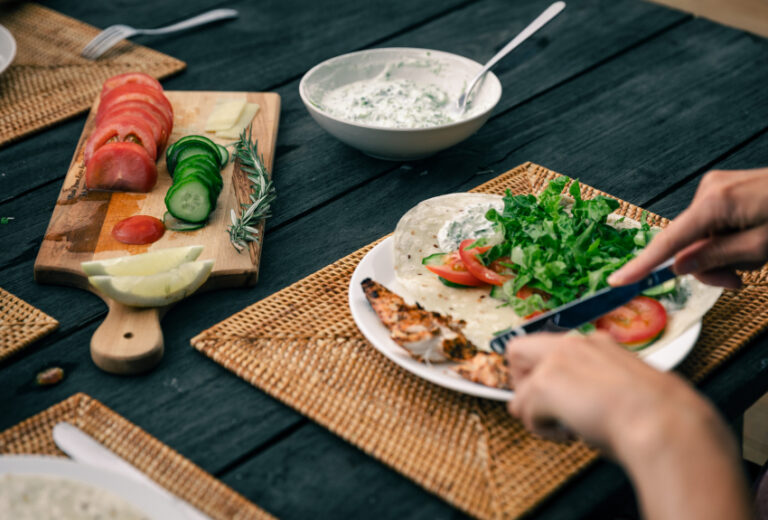
Eating is not just about nutrition; it’s also about enjoyment. The way food is served and enjoyed can greatly affect appetite and where possible, sharing food and mealtimes can help us eat a bit more.
Simple things can make meals more appealing. Try the following:
- Use a tablecloth, flowers, and suitable cutlery
- Make meals visually appealing with simple garnishes like parsley or sliced tomato
- Enhance flavour with herbs, spices, sauces, and chutneys
- Use iodised salt in cooking and avoid adding salt at the table
- Encourage shared meals, eating with others often makes food more enjoyable
- Invite those who live alone to join lunch clubs or shared meals when possible
Preventing constipation
Constipation is common and can feel uncomfortable.
It can be caused by age-related changes, medications, being less active, not drinking enough, or not eating enough fibre.
Common signs of constipation are fewer than three bowel movements per week, straining to pass a bowel motion and feeling bloated or uncomfortable.
To help prevent this:
- Eat plenty of high‑fibre foods, such as fruits and vegetables (leave skins on when possible), kiwifruit, prunes, legumes, and wholegrain breads and cereals.
- Aim to drink 6–8 glasses of fluid daily, including water, tea, coffee, and milk.
- Stay physically active each day.
If constipation continues, it’s important to talk with your doctor or pharmacist.